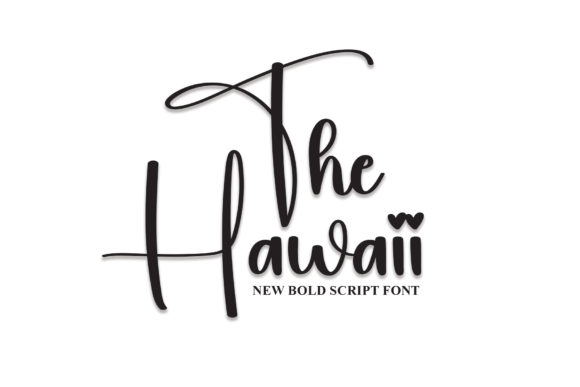
The Hawaii Font: A Timeless Handwritten Style for Creative Projects
When it comes to choosing a font that can elevate your design projects, The Hawaii stands out as a unique and elegant option. This handwritten font is described by its distinct, graceful touch, offering a blend of charm and professionalism that appeals to a wide range of users. Whether you're crafting invitations, branding materials, or digital content, The Hawaii brings a personal and artistic flair that can make your work stand out.
Why The Hawaii Matters in Design
The Hawaii is more than just a font—it's a style statement. Its elegant curves and fluid lines evoke a sense of warmth and approachability, making it ideal for both personal and professional use. The font’s timeless appeal means it remains relevant across different design trends, allowing creators to maintain a consistent aesthetic over time.
For those looking to add a touch of personality to their work, The Hawaii offers a versatile solution. It works well in both print and digital formats, from social media posts to product packaging. Its legibility, despite its decorative nature, ensures that the message remains clear and impactful.
Common Mistakes When Choosing The Hawaii
While The Hawaii is a great choice for many projects, there are common pitfalls that designers should be aware of before committing to it. One frequent mistake is assuming that any handwritten font will work for all purposes. The Hawaii, while beautiful, may not be suitable for large-scale text or highly technical documents where clarity is essential.
Another mistake is overlooking the font’s licensing terms. Many free fonts come with restrictions on commercial use, and some require attribution. Before downloading or using The Hawaii, always check the license agreement to ensure compliance and avoid potential legal issues.
Additionally, some users fail to consider the font’s compatibility with different platforms and software. While The Hawaii is widely supported, there may be instances where it doesn’t render correctly in certain applications. Testing the font across multiple devices and programs can help prevent unexpected formatting problems.
How These Mistakes Affect Your Work
Choosing the wrong font can have a significant impact on your project’s overall quality and effectiveness. For instance, using The Hawaii in a context where readability is crucial might lead to confusion or misinterpretation of the message. This can affect communication, especially in marketing or educational materials where clarity is key.
Licensing issues can also result in financial or reputational damage if not addressed. Using an improperly licensed font in a commercial setting could lead to costly legal consequences. Similarly, poor compatibility can cause frustration during the design process and may delay project timelines.
Practical Advice for Using The Hawaii Correctly
To make the most of The Hawaii, start by understanding its intended use. It’s best suited for short texts, headlines, and decorative elements rather than body copy. Pairing it with a clean, sans-serif font for the main text can create a balanced and professional look.
Before finalizing your design, test the font in various contexts. Preview how it looks in different sizes, colors, and backgrounds. This helps identify any potential issues early on and ensures the font enhances rather than detracts from your message.
Also, always verify the font’s license and terms of use. If you’re unsure about commercial usage, opt for a font with a clear and permissive license. This way, you can confidently use The Hawaii without worrying about legal repercussions.
What to Check Before Committing to The Hawaii
Before making a decision, take the time to evaluate a few key factors. First, assess the font’s character set—does it include the characters you need? Second, consider the font’s weight and style options. The Hawaii may offer variations like bold or italic, which can add visual interest to your designs.
Third, check for any special features such as ligatures or alternate characters. These can enhance the font’s versatility and allow for more creative expression. Lastly, review the font’s performance across different platforms and devices to ensure consistency in rendering.
Conclusion
The Hawaii is a remarkable font that combines elegance with functionality, making it a valuable addition to any designer’s toolkit. However, like any design element, it requires thoughtful consideration and proper application to achieve the best results. By avoiding common mistakes and following practical guidelines, you can harness the full potential of The Hawaii and create stunning, effective designs that resonate with your audience.