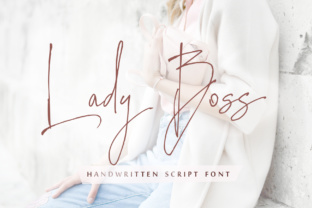
Lady Boss: A Feminine Font for Modern Design Workflows
Design is not just about aesthetics—it's about communication, clarity, and connection. Whether you're crafting a brand identity, creating social media content, or designing marketing materials, the right font can make all the difference. Enter Lady Boss, a delicate yet modern handwritten font that brings a touch of femininity and personality to your design projects.
What Is Lady Boss?
Lady Boss is more than just a font; it’s a statement. Inspired by the elegance of handwritten scripts, it balances soft curves with structured forms, making it both approachable and professional. Its feminine aesthetic doesn’t compromise on readability or versatility, which makes it ideal for a wide range of applications—from branding to personal stationery.
Unlike many fonts that lean heavily into either minimalism or boldness, Lady Boss offers a middle ground. It’s perfect for those who want to add a subtle, handcrafted feel without sacrificing the professionalism of their work. This balance is especially valuable in creative fields where visual appeal and functionality must coexist.
Where Does Lady Boss Fit In?
The role of typography in design is often overlooked, but it plays a critical part in shaping user experience and brand perception. Lady Boss fits seamlessly into various stages of a design project, from initial concept development to final execution.
During the planning phase, using Lady Boss in mood boards or sketching notes can help visualize the tone and style of a project. Its handwritten nature encourages creativity and spontaneity, making it a great tool for brainstorming sessions or ideation exercises.
As the project progresses, Lady Boss can be used in wireframes, mockups, or presentation slides to add a human element. This is particularly effective in client-facing work, where the goal is to build trust and rapport through visual storytelling.
In the execution phase, the font’s readability ensures that it remains functional even when used in larger formats like posters, banners, or signage. Its clean structure allows it to scale well, maintaining legibility across different mediums and sizes.
Integrating Lady Boss Into Your Workflow
One of the key advantages of Lady Boss is its compatibility with a variety of design tools and platforms. Whether you’re working in Adobe Illustrator, Canva, Figma, or even Microsoft Word, the font integrates smoothly, allowing for consistent use across different projects.
To maximize its effectiveness, consider how you’ll use Lady Boss within your existing workflow. For example, if you frequently create social media graphics, incorporating the font into your templates can save time while ensuring a cohesive brand voice. Similarly, if you run a blog or newsletter, using Lady Boss in headlines or call-to-action buttons can draw attention and enhance engagement.
Another important consideration is consistency. While Lady Boss is versatile, it should be used strategically to maintain a clear visual hierarchy. Pairing it with a sans-serif font for body text can create a balanced look that’s both elegant and easy to read.
Practical Implementation Tips
- Use it sparingly: Don’t overuse Lady Boss—save it for headings, titles, or key messages where its unique character can shine.
- Test across devices: Ensure that the font looks good on both desktop and mobile screens, especially if your design will be viewed online.
- Pair wisely: Combine Lady Boss with complementary fonts to create a visually appealing contrast without overwhelming the reader.
- Consider accessibility: Use sufficient contrast between the font and background to ensure readability for all users.
- Save as a web font: If you plan to use Lady Boss on a website, convert it to a web font format for optimal performance.
By following these tips, you can integrate Lady Boss into your workflow in a way that enhances both the aesthetic and functionality of your designs.
Use Cases and Real-World Applications
Lady Boss is not limited to any specific industry or niche. Its adaptability makes it suitable for a wide range of use cases, including:
- Branding: Ideal for logos, packaging, and promotional materials that require a touch of personality.
- Marketing: Perfect for social media posts, email newsletters, and digital campaigns that aim to connect with audiences on an emotional level.
- Education: Useful for creating engaging learning materials, such as infographics, flashcards, or interactive presentations.
- Personal Projects: Great for planners, journals, or DIY crafts where a handwritten feel adds charm and authenticity.
- Business Communication: Suitable for internal documents, reports, or presentations that need to convey professionalism while remaining approachable.
Each of these scenarios benefits from the unique qualities of Lady Boss, making it a valuable addition to any designer’s toolkit.
Long-Term Use and Maintenance
Like any design asset, Lady Boss requires thoughtful integration and maintenance to ensure it continues to serve your needs effectively. Regularly reviewing how the font is used in your projects can help identify areas for improvement or optimization.
For instance, if you notice that Lady Boss is being overused in certain contexts, consider adjusting your workflow to better align with its strengths. Additionally, staying updated with new design trends and technologies can help you explore new ways to leverage the font in your work.
Finally, always keep a backup of your font files and ensure they are stored securely. This helps prevent disruptions in your workflow and ensures that you can continue using Lady Boss consistently across all your projects.
Conclusion
Lady Boss is more than just a font—it’s a tool that enhances the creative process and elevates the final output. By understanding how it fits into your workflow and integrating it thoughtfully, you can unlock new possibilities in your design practice.