Discover Higuana: A Handwritten Font That Balances Class and Modernity
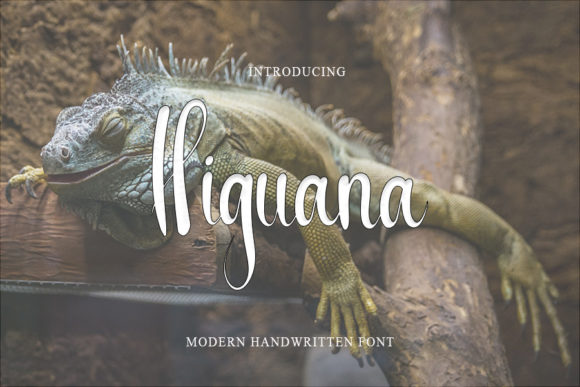
Higuana is a casual handwritten font that has quickly gained attention for its unique blend of elegance and approachability. Designed with a focus on readability and aesthetic appeal, it captures the essence of hand-drawn typography while maintaining a clean, contemporary edge. Whether you're working on branding materials, social media content, or personal projects, Higuana offers a versatile solution that can elevate your visual communication.
The Design Philosophy Behind Higuana
At its core, Higuana is built on a foundation of calligraphic influences, yet it diverges from traditional script fonts by incorporating modern design principles. The font’s creators aimed to create something that feels both personal and professional—something that can be used in a wide range of contexts without sacrificing quality.
What sets Higuana apart is its balance between artistic flair and functional clarity. Unlike some handwritten fonts that can feel overly ornate or difficult to read, Higuana maintains a level of legibility that makes it suitable for both short text and longer passages. This careful consideration of form and function ensures that it remains accessible across different mediums and platforms.
Comparing Higuana to Similar Options
When evaluating fonts like Higuana, it's important to consider how they stack up against other handwritten or script-style fonts. While there are many options available, Higuana stands out due to its thoughtful design and broad applicability.
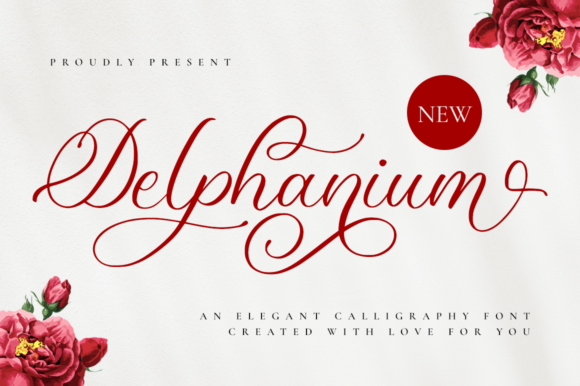
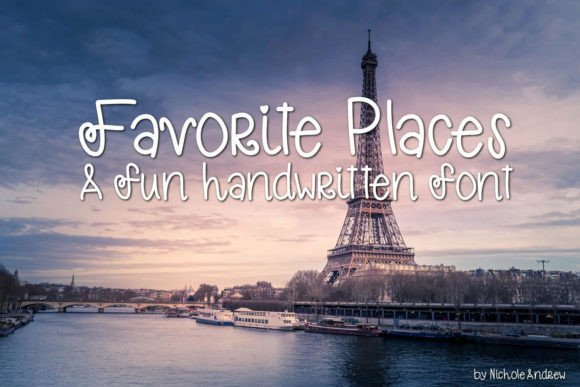
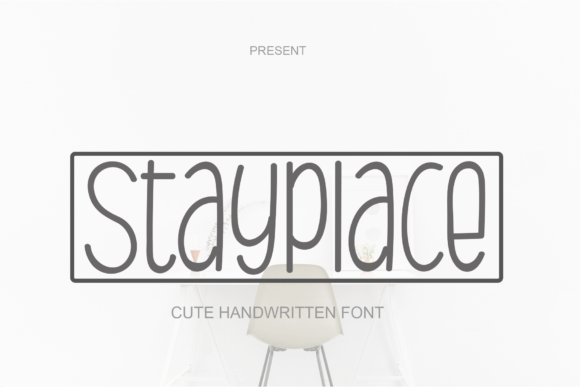
For instance, fonts such as Bell MT Bold or Sofia offer similar handwritten aesthetics but often lack the same level of refinement. Higuana, on the other hand, is designed with a more consistent stroke weight and spacing, which contributes to its overall polish. It also performs better in digital formats, making it a reliable choice for web use, print, and mobile applications.
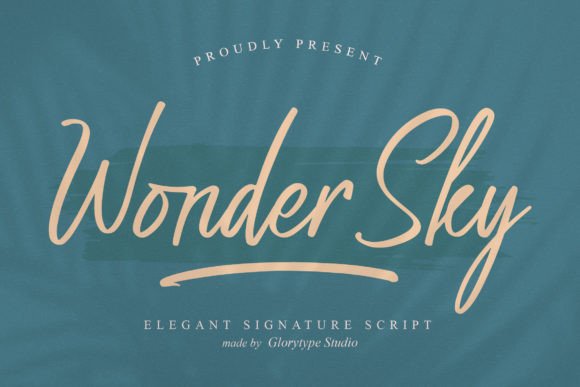
Compared to more formal script fonts like Brush Script MT, Higuana feels more casual and less rigid. This makes it ideal for creative projects that require a friendly, approachable tone. However, it may not be the best fit for highly formal or corporate settings where a more structured appearance is preferred.
Strengths and Limitations of Higuana
Higuana excels in situations where a handwritten feel is desired without compromising on readability. Its versatility allows it to be used in a variety of contexts, from logos and headings to body text and social media posts. The font’s natural flow and organic appearance make it particularly well-suited for branding, invitations, and promotional materials.
One of its key strengths is its adaptability. It works well in both light and dark backgrounds, and it maintains its character even when scaled down or stretched. This flexibility makes it a great option for designers who need a font that can perform across multiple platforms and devices.
However, like any font, Higuana does have its limitations. It may not be the best choice for technical documents or long-form content where a more structured typeface is required. Additionally, while it offers a warm and inviting look, it may not convey the same level of professionalism as serif or sans-serif fonts in certain contexts.
When to Choose Higuana
Choosing the right font depends on the specific needs of your project. Higuana is an excellent choice when you want to add a personal touch without sacrificing clarity. It is particularly well-suited for:
- Branding and logo design
- Social media content and graphics
- Invitations and event announcements
- Personal websites and portfolios
- Print materials such as brochures and posters
- Web-based projects requiring a friendly, approachable style
In these scenarios, Higuana’s casual yet refined appearance helps to create a sense of authenticity and connection with the audience. It’s especially effective when used in combination with other fonts to add visual interest and hierarchy.
When to Consider Alternatives
While Higuana is a strong contender in the handwritten font category, there are situations where alternative fonts may be more appropriate. For example:
- If you need a more formal or structured look, consider serif fonts like Georgia or Times New Roman.
- If you're working on a technical document or academic paper, a sans-serif font like Arial or Helvetica might be a better fit.
- If you're looking for a more decorative or stylized script, fonts like Great Vibes or Orbitron could provide a different aesthetic.
It’s also worth noting that Higuana may not always be the best choice for very large-scale print projects or high-contrast environments. In such cases, testing the font in different contexts is essential to ensure it meets your design goals.
Realistic Examples and Use Cases
To better understand how Higuana can be applied in real-world scenarios, let’s look at a few practical examples:
Example 1: Branding Project
A small business owner wants to create a logo and marketing materials that reflect a friendly, approachable brand identity. By using Higuana for the logo and headings, they can achieve a warm and inviting look that aligns with their brand values.
Example 2: Social Media Content
A content creator is designing Instagram posts and stories that feature handwritten text. Higuana’s casual style adds a personal touch to their visuals, helping to build a stronger connection with their audience.
Example 3: Event Invitations
An event planner is creating digital and printed invitations for a wedding or workshop. Using Higuana for the main text gives the invitations a handcrafted feel that enhances the overall experience.
These examples illustrate how Higuana can be adapted to different types of projects, offering a versatile solution that balances creativity with functionality.
Making an Informed Decision
Ultimately, the decision to use Higuana should be based on your specific needs and the context in which the font will be used. While it offers a unique blend of elegance and approachability, it may not be the best fit for every situation. By understanding its strengths, limitations, and potential applications, you can make a more informed choice about whether Higuana is the right font for your project.
As with any design element, experimentation is key. Try using Higuana in different formats and environments to see how it performs. If it aligns with your vision and meets your requirements, it can become a valuable addition to your design toolkit. If not, there are plenty of other fonts available that may better suit your needs.